
Aruban Culture and Local Life
- Home
- Aruba Travel Guide
- Aruban Culture and Local Life
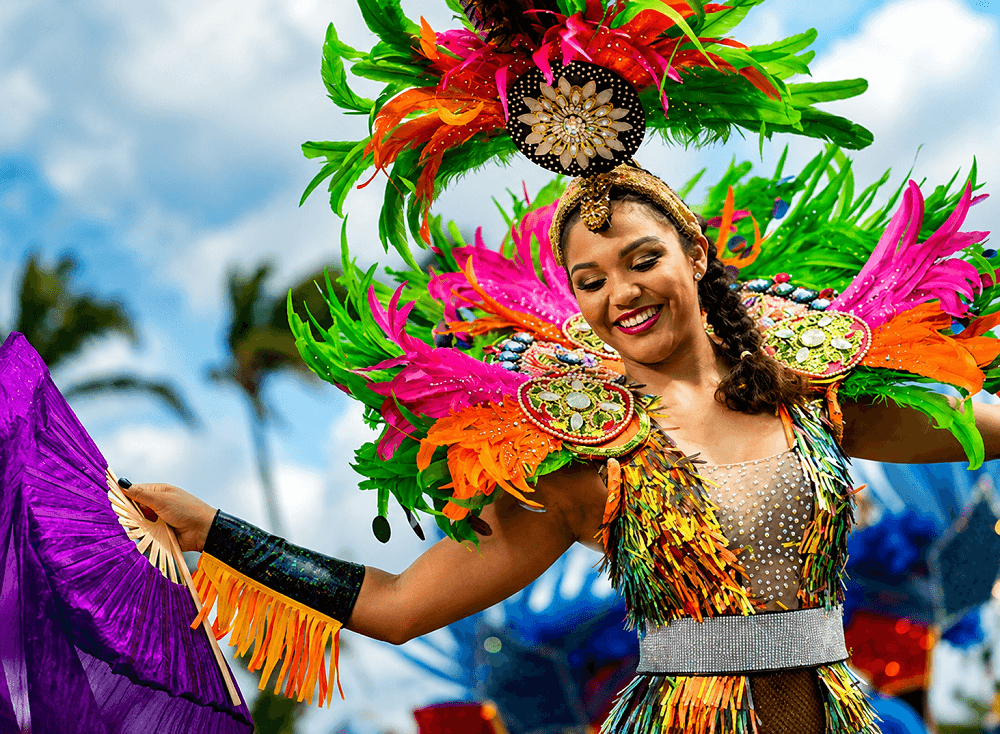
Aruban Culture and Local Life
Aruba is much more than its beautiful beaches and year-round sunshine. The island’s culture is shaped by a unique blend of Caribbean warmth, Dutch influences, diverse communities, and a rich history of welcoming visitors from around the world. From colorful festivals and traditional cuisine to local languages, music, art, and everyday customs, experiencing Aruba’s culture adds a deeper dimension to any trip.
This guide introduces Aruba’s people, traditions, and living heritage while helping you discover the customs, celebrations, food, and cultural experiences that make the island unique. Use it as your starting point before exploring our detailed culture guides.
Discover Aruba's Culture
Aruba’s cultural identity reflects centuries of history, international influences, and strong community traditions. Visitors can experience authentic local life by exploring historic neighborhoods, attending festivals, trying traditional dishes, learning a few words of Papiamento, supporting local businesses, and respecting the island’s natural and cultural heritage.
Local Etiquette and Customs
Arubans are known for being friendly, welcoming, and respectful. Understanding a few local customs can help visitors enjoy positive interactions throughout their trip.
Useful Papiamento Words and Phrases
Papiamento is one of Aruba’s official languages and hearing visitors use a few local words is often appreciated. While English is widely spoken, learning simple greetings and expressions adds a personal touch to your travels.
Aruban Food and Dishes to Try
Food is an important part of Aruba’s culture. The island’s cuisine combines Caribbean flavors with Dutch, Latin American, and international influences, offering something for every taste.
Public Holidays and National Celebrations
Throughout the year, Aruba celebrates public holidays and national events that reflect its history, culture, and community spirit. Visitors may encounter parades, ceremonies, festivals, and changes to business hours during these celebrations.
Aruba Carnival Guide
Carnival is Aruba’s biggest annual celebration, featuring colorful parades, elaborate costumes, live music, dancing, and community events across the island.
Music and Dance of Aruba
Music and dance are central to Aruba’s cultural identity. From traditional rhythms to modern performances, visitors can experience the island’s vibrant musical heritage at festivals, cultural events, and live performances.
Art, Museums and Murals
Aruba’s creative spirit is reflected in its museums, public art, galleries, and colorful mural districts. Visitors can explore historical collections, local artists, and outdoor street art that tells the story of the island.
Sustainable and Respectful Travel
Responsible travel helps protect Aruba’s beaches, wildlife, local communities, and cultural heritage. Small choices made by visitors can contribute to preserving the island for future generations.
Which Cultural Experience Is Right for You?
Choosing what to explore depends on your interests.
| If You Want… | Start With… |
|---|---|
| Learn local customs | Local Etiquette and Customs |
| Speak a little Papiamento | Useful Papiamento Words and Phrases |
| Taste authentic island cuisine | Aruban Food and Dishes to Try |
| Experience festivals | Aruba Carnival Guide |
| Learn about national celebrations | Public Holidays and National Celebrations |
| Discover music and traditions | Music and Dance of Aruba |
| Visit museums and murals | Art, Museums and Murals |
| Travel responsibly | Sustainable and Respectful Travel |
Experience Local Life
Some of the best cultural experiences happen naturally as you explore the island.
Consider:
- Visiting local markets
- Dining at family-owned restaurants
- Attending cultural festivals
- Shopping at local businesses
- Learning a few Papiamento phrases
- Exploring neighborhoods beyond the resort areas
- Respecting local customs and traditions
Taking time to engage with local life creates a more meaningful and memorable Aruba experience.
Travel Tips
To experience Aruba’s culture respectfully:
- Greet people politely.
- Support locally owned businesses.
- Dress appropriately when visiting churches or community spaces.
- Ask permission before photographing people.
- Respect nature and wildlife.
- Learn a few basic Papiamento phrases.
- Be patient and embrace the island’s relaxed pace.
- Popular Aruba questions
Frequently asked questions.
Quick answers to the questions visitors ask most before traveling to Aruba.
What is Aruba's culture like?
Aruba’s culture is a blend of Caribbean traditions, Dutch heritage, and influences from many different communities. Visitors will experience warm hospitality, multilingual communication, colorful festivals, local cuisine, music, art, and a relaxed island lifestyle.
What languages do people speak in Aruba?
Aruba has several commonly spoken languages. Papiamento and Dutch are official languages, while English and Spanish are also widely spoken, making communication easy for most visitors.
What food is Aruba known for?
Aruba is known for fresh seafood, Caribbean-inspired cuisine, local stews, pastries, snacks, and dishes influenced by Dutch, Latin American, and Caribbean culinary traditions. Visitors can enjoy both traditional recipes and international dining across the island.
Is Aruba a good destination for cultural experiences?
Yes. Beyond its beaches, Aruba offers museums, colorful murals, local festivals, music, art, traditional cuisine, and welcoming communities that provide visitors with authentic cultural experiences throughout the island.
How can I experience Aruba respectfully?
Respect local customs, greet people politely, support local businesses, follow environmental guidelines, ask permission before photographing individuals, and learn a few basic Papiamento phrases. These small gestures help visitors connect with Aruba’s people and culture while supporting sustainable tourism.