Sinterklaas Arrives in Aruba 2026: Harbor Parade, Children’s Activities & Family Celebration
Sinterklaas Aruba 2026 brings a familiar childhood tradition to Oranjestad on Sunday, November 15. The official program includes a harbor welcome, an ARUTRAM procession and a children’s celebration downtown.
If you are visiting Aruba for the first time, the white-bearded figure arriving by boat may raise a few questions. Why does he arrive weeks before Christmas? Why do children leave out a shoe? And why does this afternoon mean so much to local families?
This guide explains the celebration, its long connection with Aruba and how to enjoy the day with children. You do not need to know the songs or have grown up with the tradition to appreciate the excitement.
Sinterklaas Aruba 2026: The Official Schedule
| Time, November 15 | What happens |
|---|---|
| 2 PM | Cruise Terminal Gate 5 opens near Welcome Plaza. |
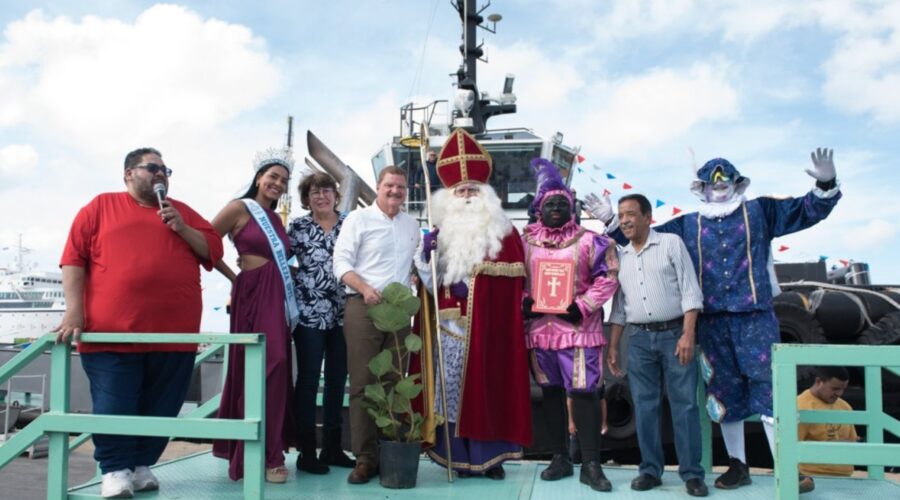
| 3 PM | Sinterklaas arrives by boat with more than 100 Pieten. |
| After the harbor welcome | The party boards ARUTRAM for a downtown procession. |
| About 4–6 PM | Children’s program at Plaza Nikki Habibe, also called Djispiesplein. |
The Sinterklaas Aruba 2026 parade route goes from Welcome Plaza past the Arubus station on Weststraat, then along Havenstraat and Kazernestraat to Caya G.F. Betico Croes. Dance, shows, games and photo opportunities are planned at the plaza; food and drinks will be sold.
The government’s November 4 announcement is the source for this schedule. Do not assume the public can ride on the parade tram.
Who Is Sinterklaas? A Simple Introduction
Sinterklaas is the Dutch festive figure associated with Saint Nicholas. You will recognize his long white beard, bishop’s robes, tall ceremonial hat and curved staff. In the seasonal story, he travels from Spain and visits children with his helpers, called Pieten.
The historical and religious roots reach much further back. The Rijksmuseum’s history of the celebration links Saint Nicholas to Myra, in what is now Turkey, and to stories of generosity and protection. His traditional feast day is December 6.
The costume and the storytelling are ways to recognize the character. Families can explain them to a young child before attending: “We are going to welcome Sinterklaas, listen to music and watch the celebration.” A short, reassuring introduction often works better than a long explanation in a crowded place.
Is Sinterklaas the Same as Santa Claus?
For a newcomer, the easiest distinction is the calendar. Aruba’s Sinterklaas season leads toward December 5, while Christmas follows later in the month. These are separate celebrations, even though both involve anticipation, generosity and children’s gifts.
Sinterklaas is usually presented as a bishop, rather than the red-suited Santa familiar from Christmas advertising. His public arrival opens a season of visits and family rituals. The harbor welcome is therefore a beginning, rather than the night when every family exchanges its presents.
When explaining the event to children, use the name Sinterklaas. That helps them understand why the costumes, arrival and songs may differ from the Christmas celebrations they already know.
A Tradition Rooted in Generations of Aruban Childhoods
Sinterklaas has Dutch roots, but its place in Aruba is also a local story of children, families, schools and community gatherings. Aruba’s tourism authority describes it as part of the island’s multicultural holiday season, with appearances at schools, businesses and community events.
There is documentary evidence of its local history well before today’s celebrations. A report published in Neerlandia in 1958, preserved by the Digital Library for Dutch Literature, records an enthusiastic Sinterklaas celebration in Aruba in 1957 attended by 200 children.
That record does not establish the first year Sinterklaas was celebrated on the island. It does show that the festival was already a notable children’s occasion almost seven decades before the 2026 arrival.
This is a useful way to understand the afternoon as a visitor. You may be discovering the tradition for the first time, while a parent beside you may be introducing a child to something remembered from their own childhood. The same scene can hold a new experience for one family and a familiar memory for another.
Why Do Children Put Out a Shoe?
One of the best-known customs is schoen zetten, or putting out a shoe. In Aruba, children may leave a shoe by a door or windowsill, sometimes with a carrot or another treat for Sinterklaas’s horse. A small present or sweets may appear by morning.
The Meertens Instituut’s account of the custom traces shoe-giving practices in the Netherlands back to the fifteenth century. Earlier charitable forms involved shoes placed in churches and gifts distributed to people in need. The custom later took different forms in family life.
That background gives the small ritual more depth: generosity has long been part of the tradition. The institute also notes that households celebrate differently, so there is no need to turn a first attempt into an elaborate production.
For a visiting family who wants to try it, a drawing, one shoe and a small surprise can be enough. Explain your own plan in advance, especially if you will only be participating once during a holiday.
December 5, Songs and Seasonal Treats
Aruba’s tourism authority identifies December 5 as Sinterklaasavond, an evening for gifts, sweets and family time. Some households add playful poems or jokes to their presents. These practices vary; participation does not require every family to celebrate in the same way.
Seasonal treats described by VisitAruba include chocolate letters, chocolate coins, marzipan and pepernoten. A chocolate letter often corresponds to a child’s initial. Pepernoten are small traditional seasonal bites.
If your child has food allergies, bring a familiar snack and check ingredients before accepting or buying treats. Treat any sweets as a bonus to the outing, rather than something every child is guaranteed to receive.
Who Are the Pieten? A Tradition That Has Evolved
Piet is the singular name; Pieten is plural. They are Sinterklaas’s festive helpers. Aruba’s tourism authority describes contemporary appearances in bright costumes and colorful makeup, including purple, green and blue.
The older Zwarte Piet portrayal has been the subject of debate about racism and representation. Celebrations have changed in different ways, and it is helpful for newcomers to understand that this is a living tradition rather than a fixed historical performance.
For families, a considerate approach is to focus on welcome, kindness and children’s enjoyment. Avoid frightening stories or assumptions about how every household understands the characters. Let children watch from a comfortable distance if they do not want to approach.
Planning Your Sinterklaas Aruba 2026 Family Outing
You do not have to follow the entire Sinterklaas Aruba 2026 program. Choose the experience that matters most to your family: seeing the boat, watching the procession or spending time at the children’s celebration. Trying to move quickly between every stage can turn an enjoyable outing into a tiring one.
For the harbor welcome: allow time for getting into position and waiting. Bring something quiet for a young child to do, and keep your plan flexible if the crowd feels too busy.
For the procession: choose a safe place to stand and keep the route clear. Avoid stepping into the street for a photograph. Do not promise children that a performer will stop at your particular viewing spot.
For the plaza celebration: build in time for breaks. A child may enjoy watching a show without taking part in a game or posing for a photograph. Let the outing suit their energy rather than a checklist.
Sinterklaas Aruba 2026: What to Bring
Pack drinking water, sun protection, comfortable walking shoes and a small snack. A hat, a change of clothes for a younger child and a charged phone can also make the afternoon easier. If loud entertainment is difficult for your child, consider suitable ear protection and a plan to step away.
Agree on who is supervising each child, especially when several adults are attending together. Choose a meeting point and keep younger children close as the crowd moves. Leave paths clear for other families, strollers and anyone who needs more space.
Check current access and traffic notices before leaving. Reserved parking, road closures, accessible viewing areas and toilet arrangements have not been verified for this guide. If you need step-free access or a specific facility, confirm it with the organizers rather than assuming it will be available.
A Few Words You May Hear
Intocht: the ceremonial arrival or welcome procession.
Sint: a short form of Sinterklaas.
Pieten: his helpers.
Schoen zetten: putting out a shoe for a seasonal surprise.
Pakjesavond: gift evening, associated with December 5.
You do not need to memorize these words. They simply help connect what you see at the public celebration with the small customs families may continue at home.
Make Room for a Local Family Tradition
Sinterklaas Aruba 2026 is an opportunity to experience the island through a children’s celebration with a long local history. Come with curiosity, give families room to enjoy their traditions and let your own children participate at their own pace.
For other outings, browse the Aruba Discovery Events Calendar. Keep this guide’s dated arrival information separate from other school, shop or community appearances, which may have their own schedules.
2026 program checked November 10, 2026. Times remain subject to organizer updates.
Sources: Government of Aruba: 2026 arrival; Aruba Tourism Authority: tradition and family customs; Neerlandia, 1958, via DBNL; Rijksmuseum: historical background; Meertens Instituut: the shoe tradition.